Professional Judgement: Three questions
Are you frustrated that productivity has not increased to the extent you or your organisation would have liked them to with your "AI investments"? I think we are seeing an industry-wide underinvestment in professional judgement.
Here are three questions about it that I have been pondering, some philosofical answers and why making progress will take courage.
Turning philosofical
A couple of years back I read a book. By a swedish author who is also a professor of philosofy - Jonna Bornemark. I talked to almost everyone I met about it at the time and it has not quite left me since. The book uses a swedish word that is difficult to translate completely and directly into english. That word is "omdöme" and depending on where you look it might be translated to "(professional) judgement", "discernment" or "practical wisdom" or other, similar meanings.
In the middle of burning AI hype, reading that book had a certain effect on my mind and my "judgement" if you will.
Everyone has answers
The "AI" hype or boom may have democratised getting answers or generating vast amounts of output. I claim it has not significantly democratised strategic judgement. Only giants can (or even want to) compete in the race for best model or most data. The vast majority of us have access to more or less the same models and the same amount of data. Then it is the quality of our judgement or discernment that will set organisations apart.
To me, it is no longer a question if judgement is important, but critical how we see it (practised), reward it and make it grow. Critical to the point that I fear a crisis in terms of capacity and workforce in our near future.
Do we see it?
Go where output is "not enough".
Models can help you produce output or get answers or analysis quickly. And very visibly. Still, someone has to judge, validate or decide what to actually generate or use. That work - to judge - is most often invisible. And hard. We often - and easily - measure lines of code, finished tasks, emails answered etc. But do we measure the judgement required to make sure the result holds water? The things we did not do?
Often that judgement is also lonely work. That is part of what makes it both invisible and draining. It need not be. Hannah Arendt reminds us that what makes us human is our acting together on a common arena. Judgement is not born in dashboards or prompts. It is born out of shared experience, out of conversations, in our ability to remain (however uncomfortably) in the "unanswered".
A first step is to dare go where decisions are made and stay there, longer than feels "productive". And no, most interesting daily decision making is not happening in board rooms or managerial meetings.
(As someone who has once been inspired by Lean, I cannot avoid seeing parallells to the "Gemba walk" or "Go see, ask why, show respect".)
Do we reward it?
Stop hero worship.
In our current world we favour those who deliver quickly and most abundantly. Letting hero culture kill (true) productivity is not a new thing in the world of Tech, sadly.
Another great (and very short!) book I read recently is "The Carrier Bag Theory of Fiction" by the ever wise Ursula K. Le Guin. She (and the book) has a reminder for us: the basic building blocks for civilisation were not weapons or conquering, but rather holding vessels, bags, tents, granaries. What preserves and gives space, not conquers. Listening to someone telling that story of war and heroism is simply so much more fun. And distracting. Distraction (talking from experience here) can be a good thing. Or keep you from doing or noticing what is actually important. What makes a difference.
I argue that judgement is preserving work. It is quality work (not validating or auditing). Quality is how we do things, all the time, with deliberation, pride and joy. Organisations that want to grow judgement must make their investment in judgement visible and rewarded. Who owns or makes a decision? Who holds back? Who asks "why is the model saying that"? Who is praised for that?
Do we make it grow?
Strategic non-automation.
There is a paradox here that I think most people see. The more we come to rely on automatic answers and output, the more disastrous it will become to lose the ability question and judge it.
Bornemark mentions Aristotle and his three types of knowledge: episteme (theory), techne (craft) and phronesis (practical wisdom). The third concept is close to what we talk about I believe. It sits in your body, in your experience, in the ability to know when a rule is to be followed, when it can safely be broken.
Bornemark has some suggestions for how to keep practising to grow that practical wisdom. One idea is strategic non-automation (not her term, I translated it for tech use). Deliberatly keep doing (manual or thinking) work that takes judgement, even if it looks ineffective.
Other ideas of hers or mine (or combined):
- Dare to "not know". If you have an immediate answer the question is either obvious (and requires no judgement) or you have not listened enough. Rarely do people seek answers to obvious questions. Dare say "I do not know".
- Dare to write in first person. "I". Someone has to stand by a decision or judgement. Do not hide behind indirect speech or process.
- Go have conversation where things are not working or where there are gray areas, with people of different experiences. Be quiet. Take notes. Listen. Then discuss.
- Actively use paradoxes. What are the extremes of assumptions of what we do. What are the silly contradictions that we laugh (painfully)? We cannot completely avoid paradoxes, but we can state what balance we strike, which ones are acceptable.
Judgement is practice
There is no comprehensive theory, book, course or youtube video on judgement.
It is a practice that takes space, time and courage.
Intrigued? Want to discuss? Let me know, you can find my details in the footer of this blog post!
Or, you know, read one of the books I mentioned and become as enthralled as I am.
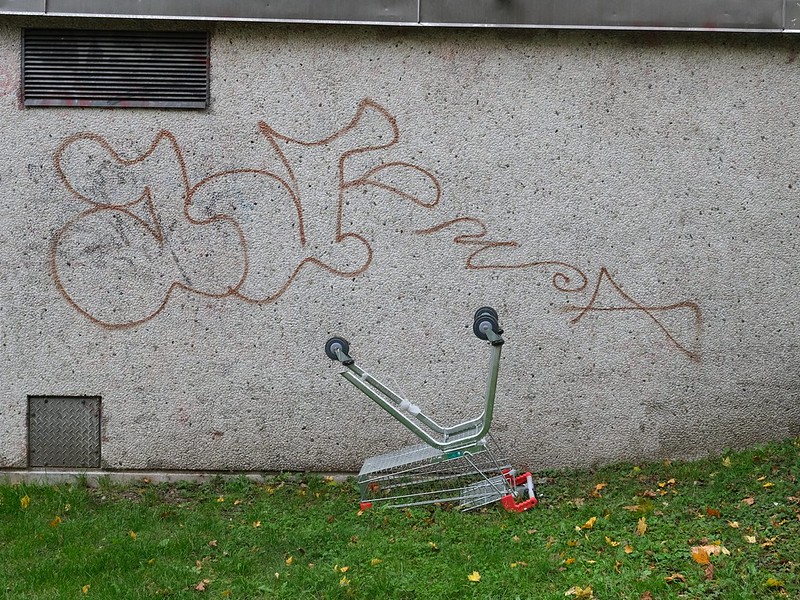
(Image by me)